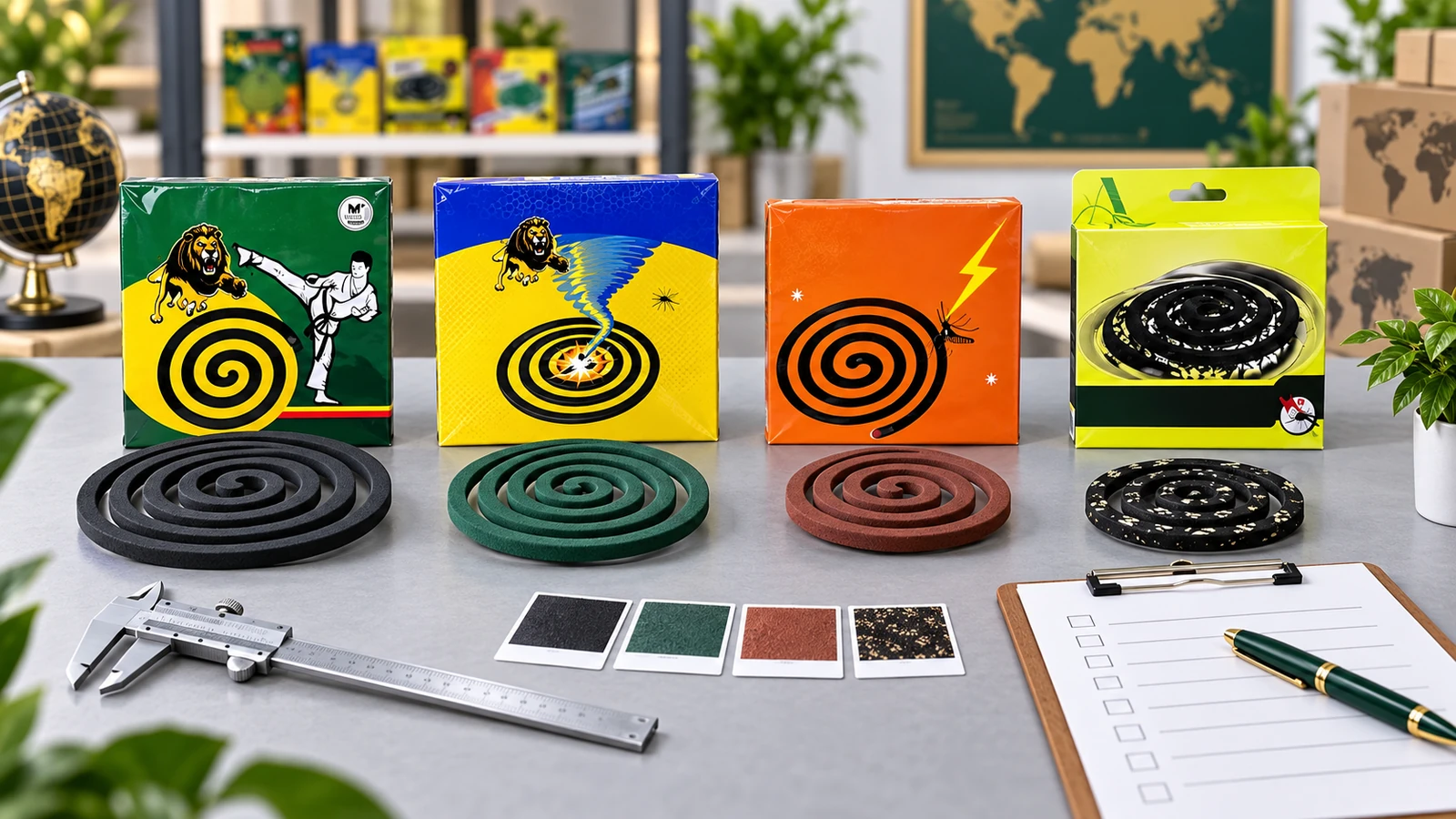
 BI NIU
Begin with an anchor category
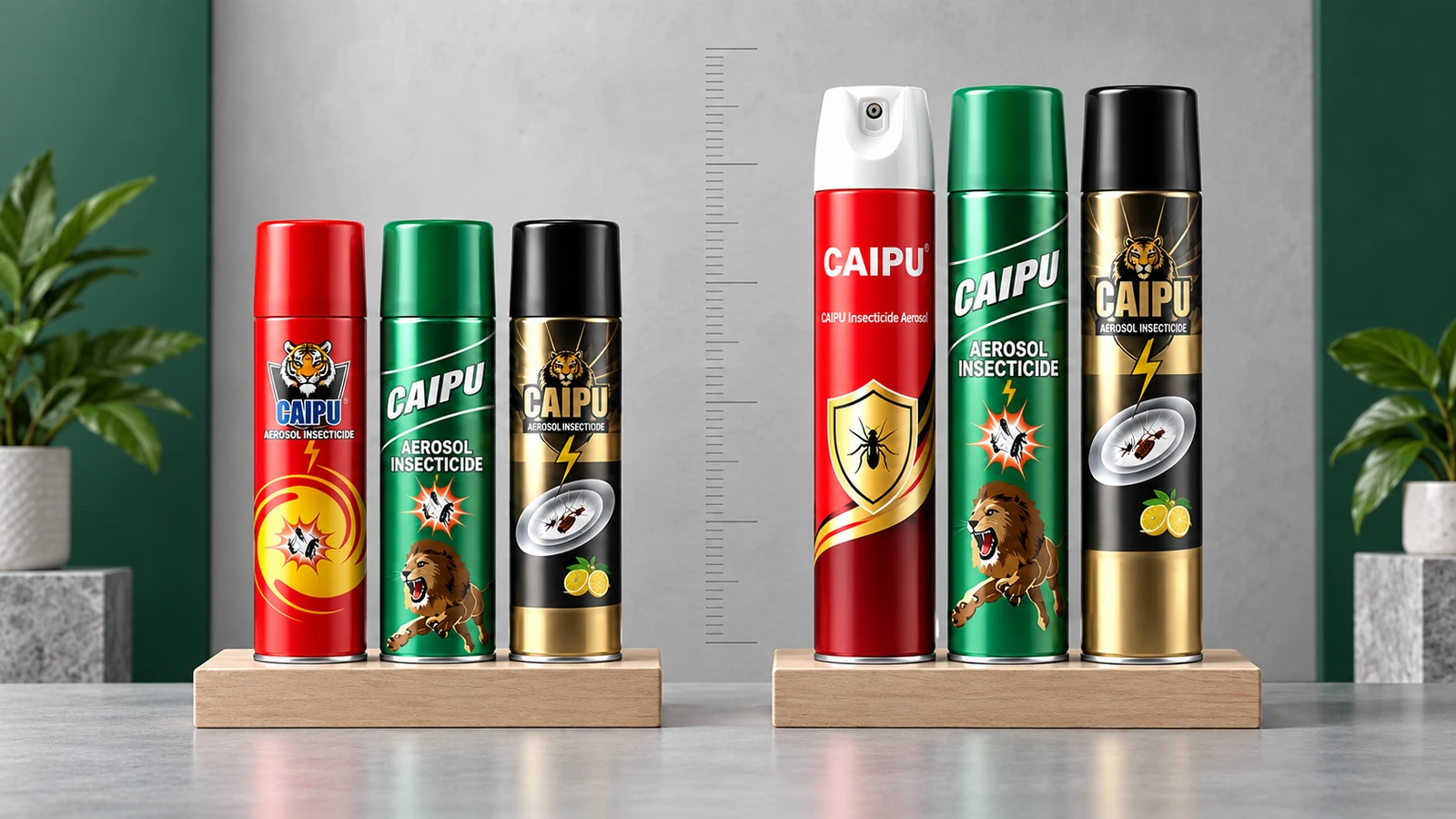
The anchor category should have established demand, a clear price ladder and dependable replenishment. For many distributors this is mosquito coils or aerosol insecticides. An anchor gives the sales team a reason to open accounts before introducing adjacent items.
Add products by use occasion
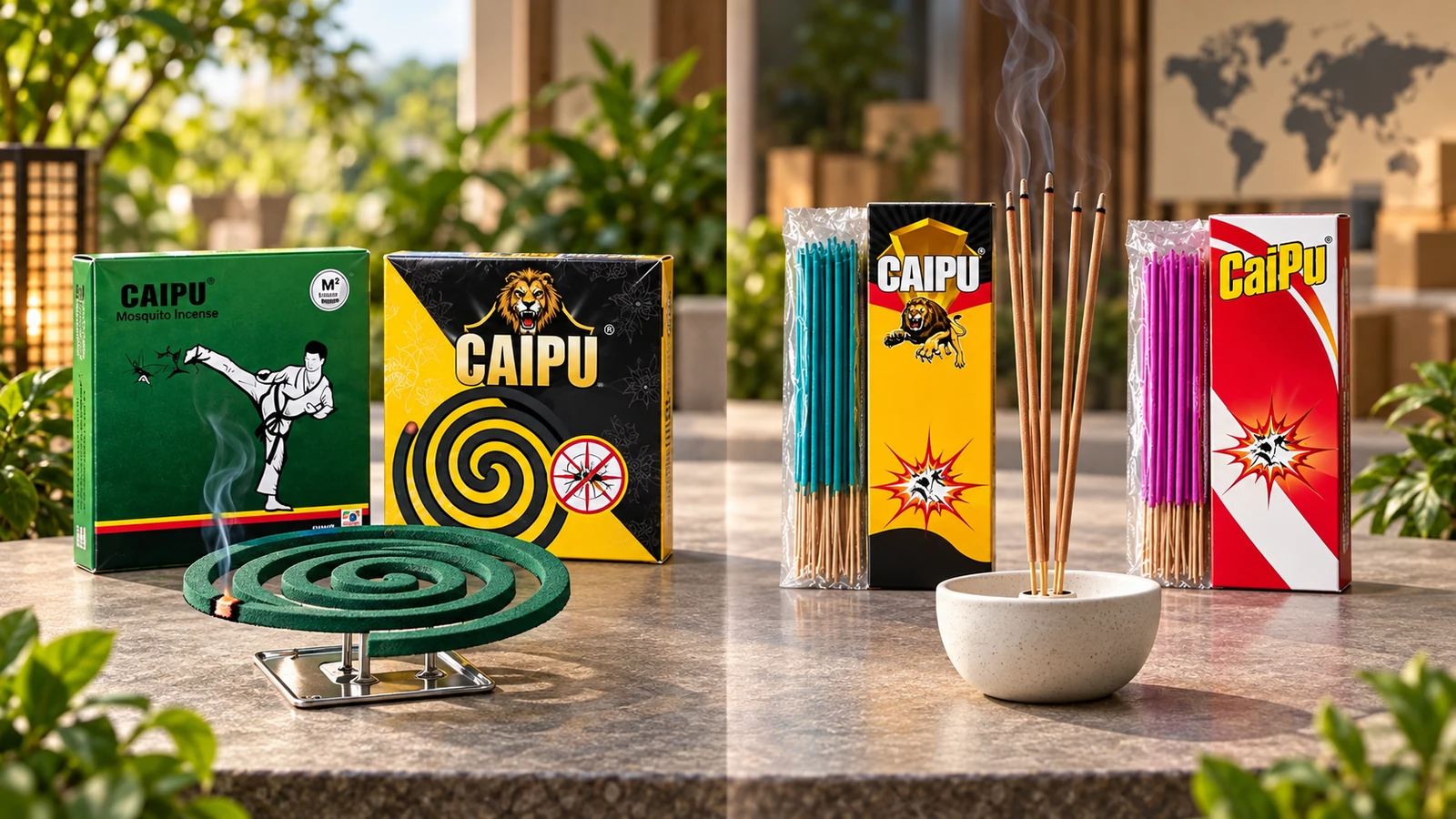
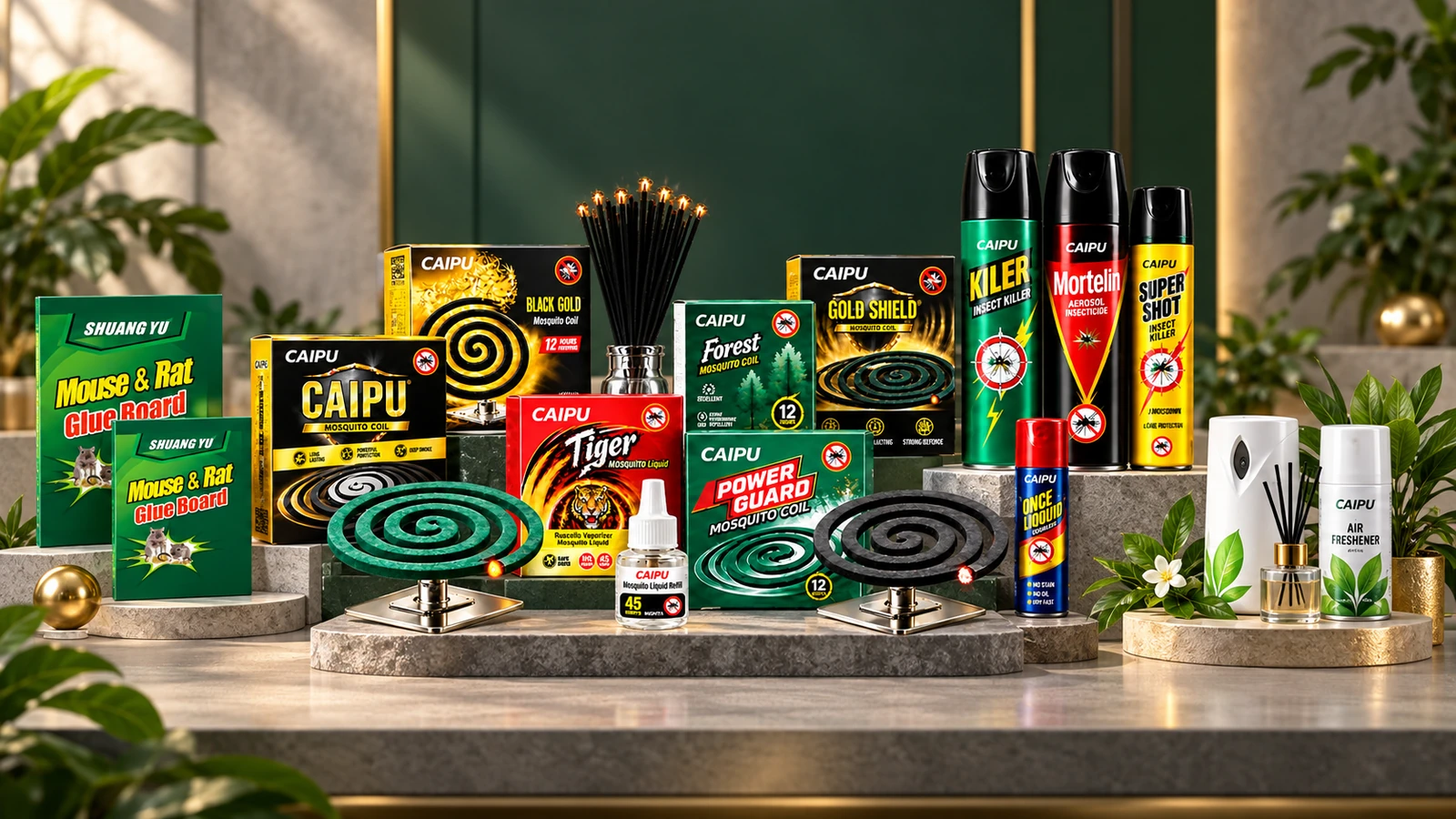
Expand around household needs rather than adding disconnected SKUs. Coils and incense can cover sustained repellent use; aerosols address fast-action household insect control; holders improve usage convenience; glue boards extend the range into rodent control; air-care products offer a non-insecticidal companion category.
Control SKU complexity
Every fragrance, size and artwork creates forecasting and packaging work. Start with a small number of clear winners, then use sales data to add variations. Too many similar products can dilute purchase quantities and create slow stock.
Create a consistent brand architecture
Use coordinated logos, color hierarchy and pack information while allowing each category to remain recognizable. Define which elements never change and which colors identify product type or fragrance.
Evaluate the range commercially
Compare margin, shelf space, carton volume, seasonality and repeat frequency. A lower-volume accessory may still be valuable if it increases order breadth or supports the main product.
- Core volume product
- Trade-up product
- Complementary accessory
- Seasonal opportunity
- Repeat-order plan
Launch in phases
Phase one can establish the anchor product and packaging system. Phase two adds the closest complementary items. Phase three responds to proven customer demand. This approach keeps OEM investment and inventory easier to manage.
Product registration, permitted ingredients, labeling and import requirements vary by market. Confirm destination-country requirements with the relevant authority or qualified adviser before ordering.