 BI NIU
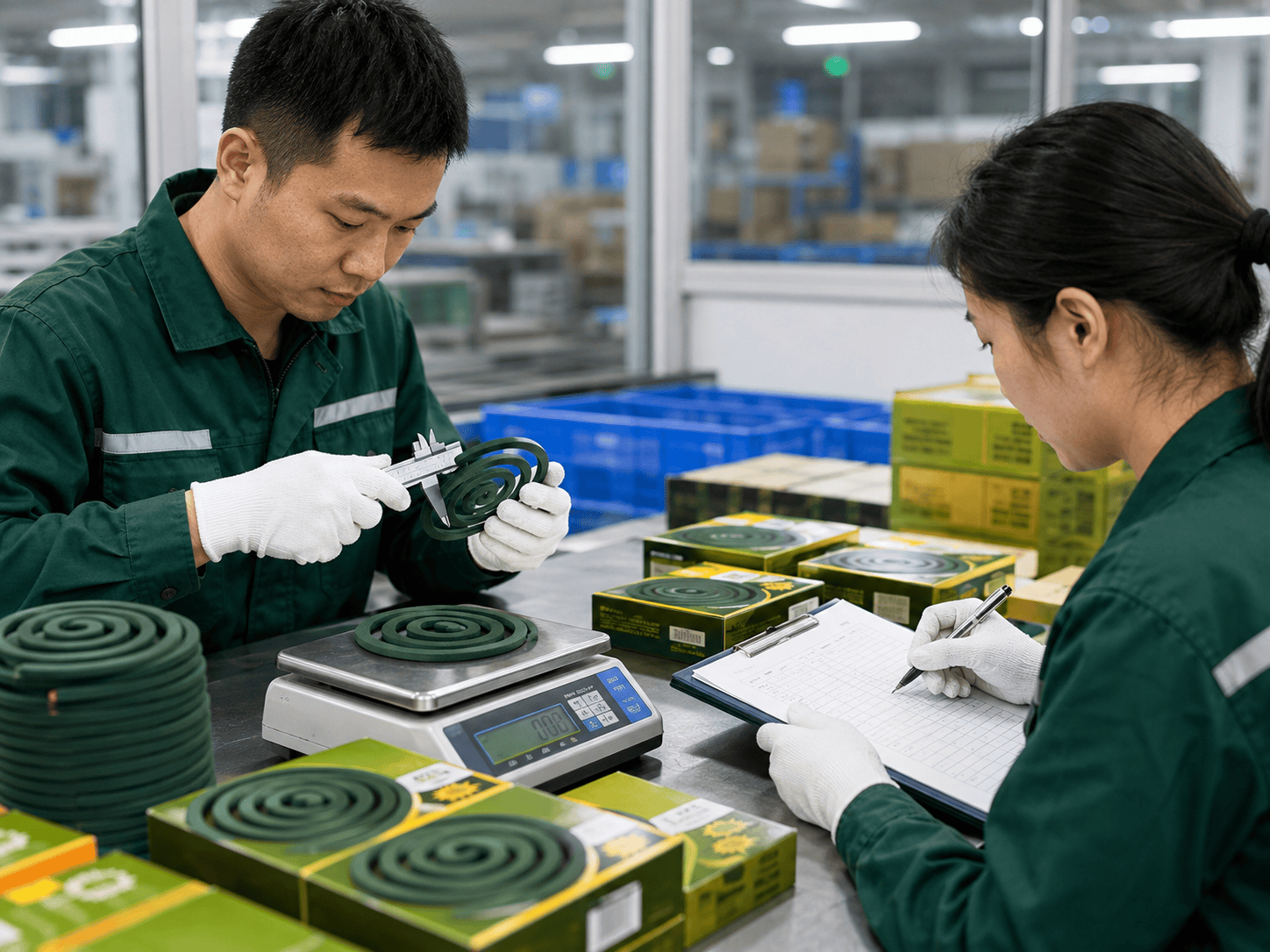
Inspection should follow the approved order
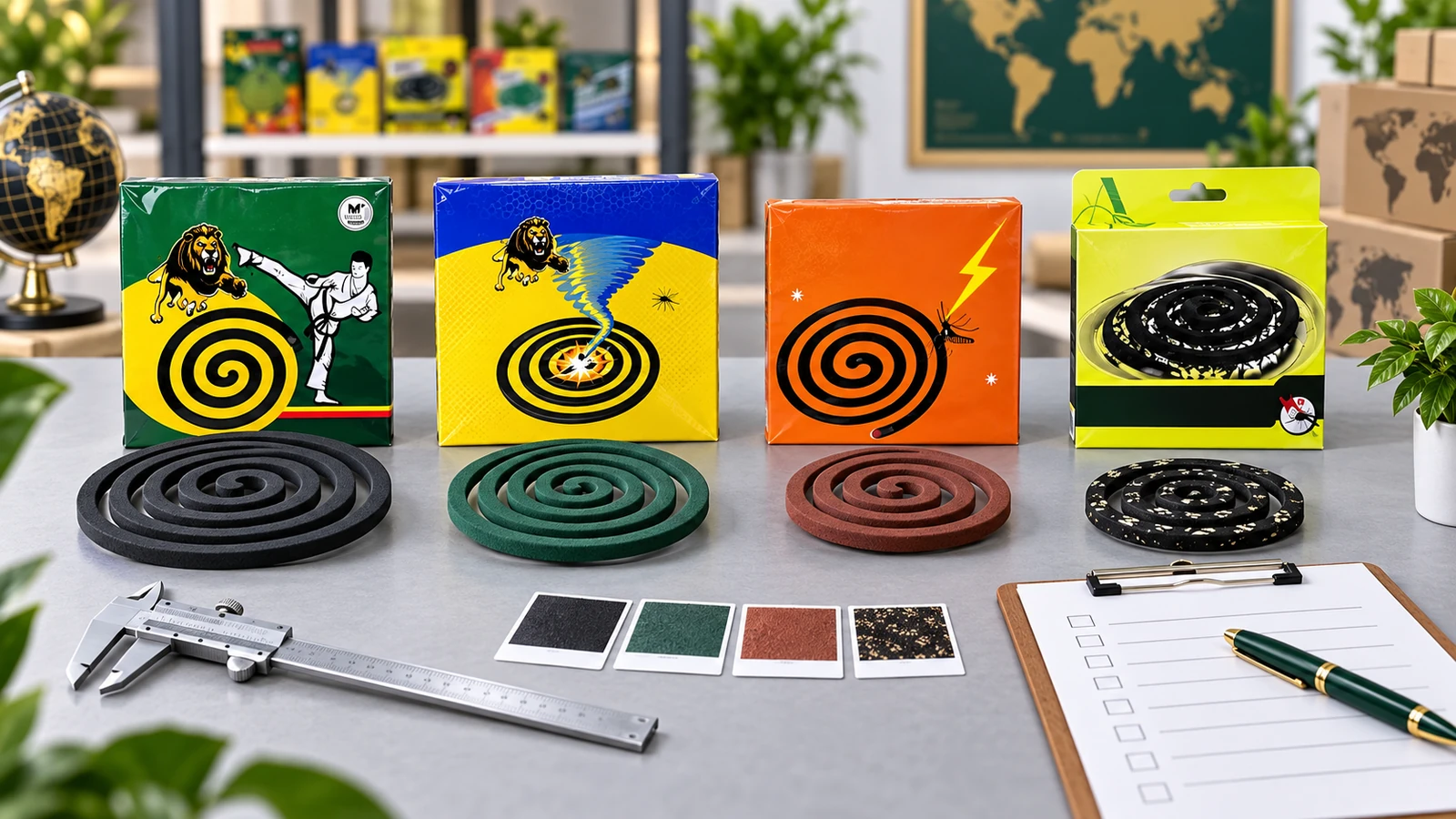
A useful inspection compares production with an agreed specification, approved sample and final artwork. Generic factory photos do not prove that a specific order is correct. Define checkpoints before production so both parties know what evidence will be reviewed.
1. Product identity and appearance
Confirm model, size, color, fragrance where applicable, visible condition and any agreed accessories. Sampling should represent multiple cartons or production points rather than one hand-selected item.
2. Functional or performance checks
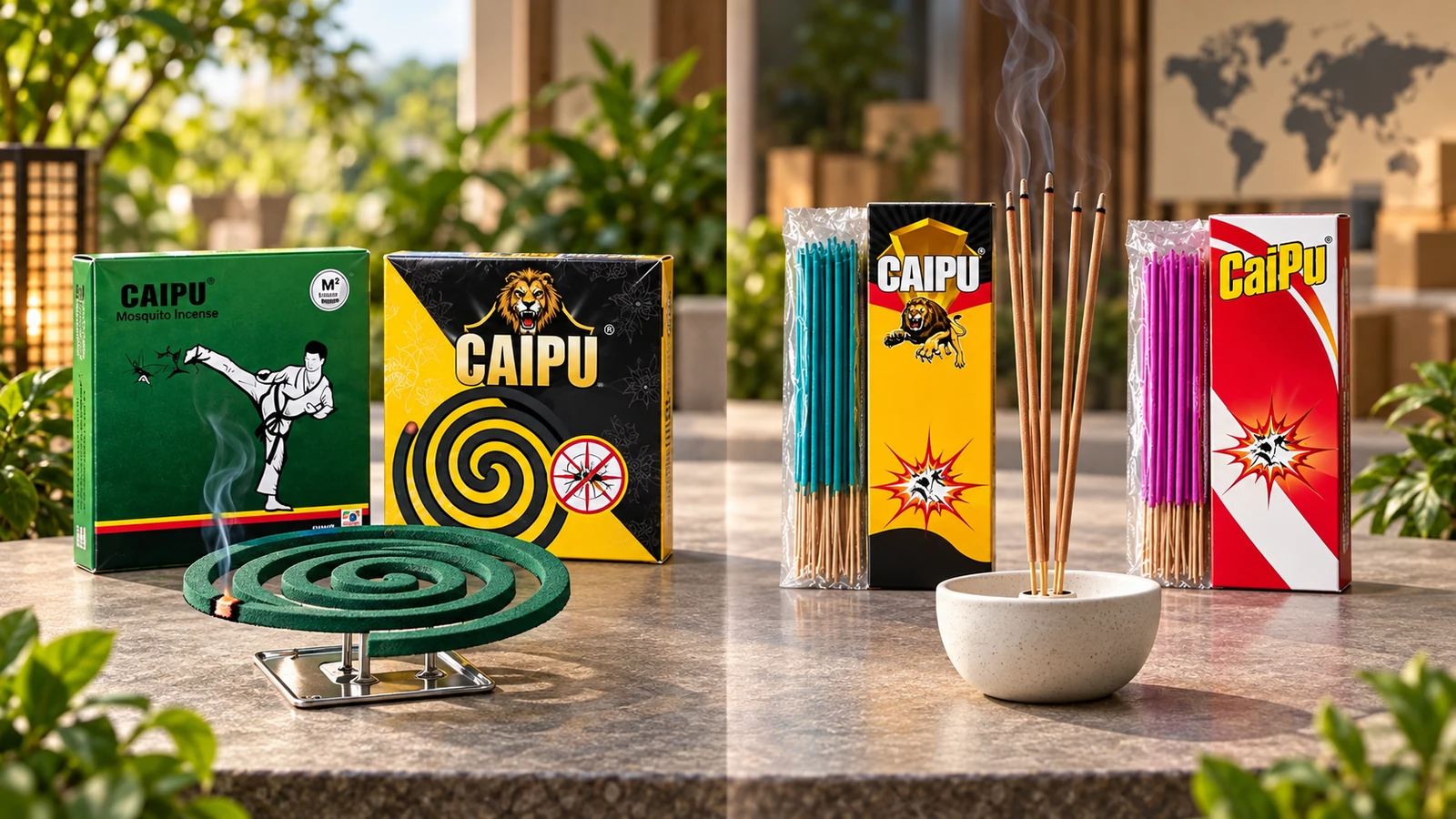
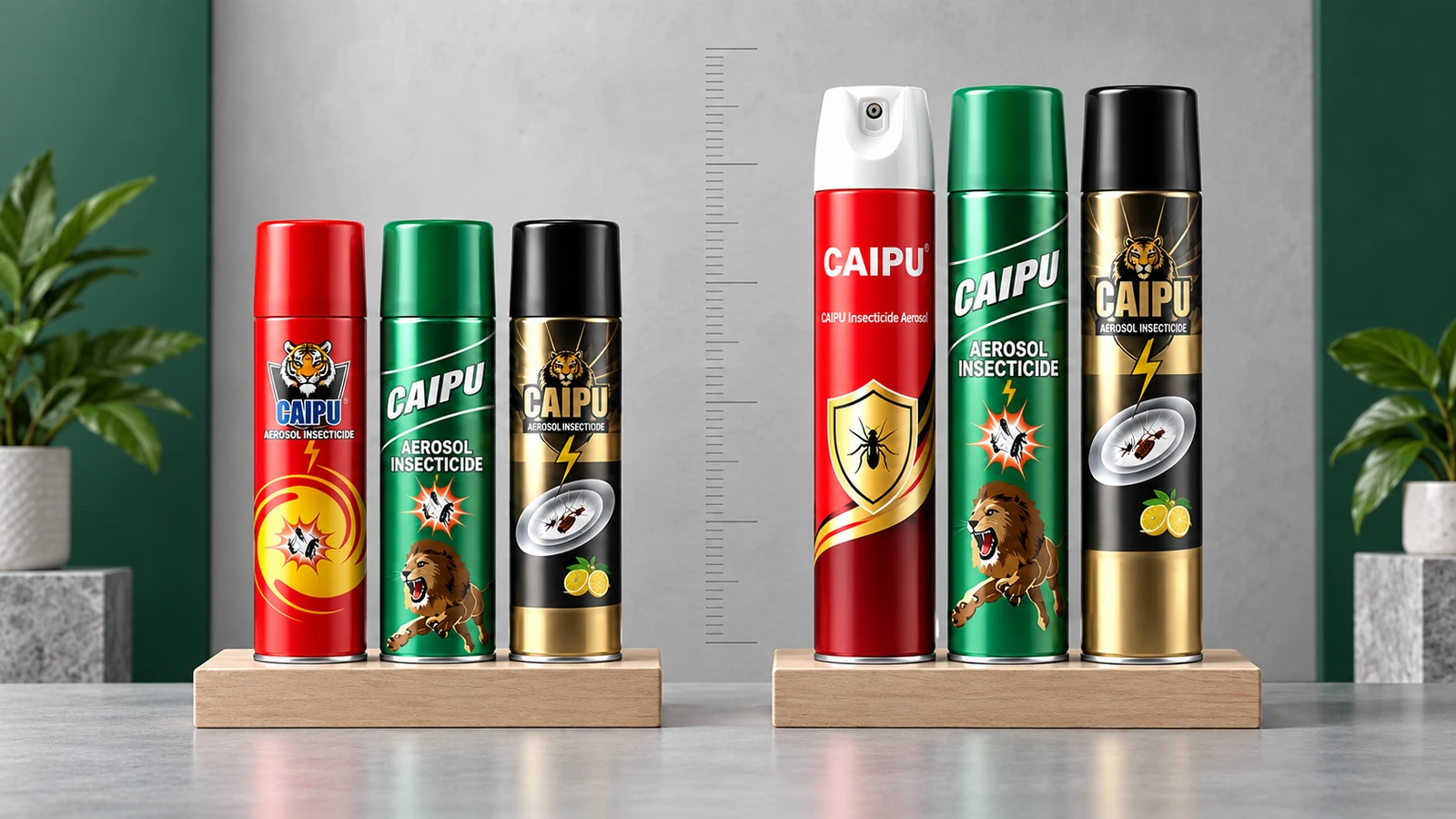
The appropriate check depends on the product. For coils it may include lighting, burn continuity and an agreed burn-time method. For aerosols it may include spray operation, leakage and net-content procedures. Testing must use defined conditions and should not be confused with destination-market registration.
3. Retail packaging
Check the artwork version, print clarity, barcode, language, pack count, seals and inner protection. Compare physical packs with the signed approval file. Small text and warnings deserve the same attention as the front design.
4. Export cartons and quantity
Review carton strength, dimensions, gross and net weight, marks and total count. Confirm how mixed SKUs are separated and how cartons will be arranged for loading.
5. Loading and documents
Record container condition, loading quantity and seal information when applicable. Confirm invoice, packing list and shipping instructions before departure.
Choose the right inspection level
Factory checks, buyer inspection and independent inspection serve different risk levels. Agree on the method in the purchase contract and resolve nonconformities before shipment rather than after arrival.
Product registration, permitted ingredients, labeling and import requirements vary by market. Confirm destination-country requirements with the relevant authority or qualified adviser before ordering.