 BI NIU
There is no universal winner
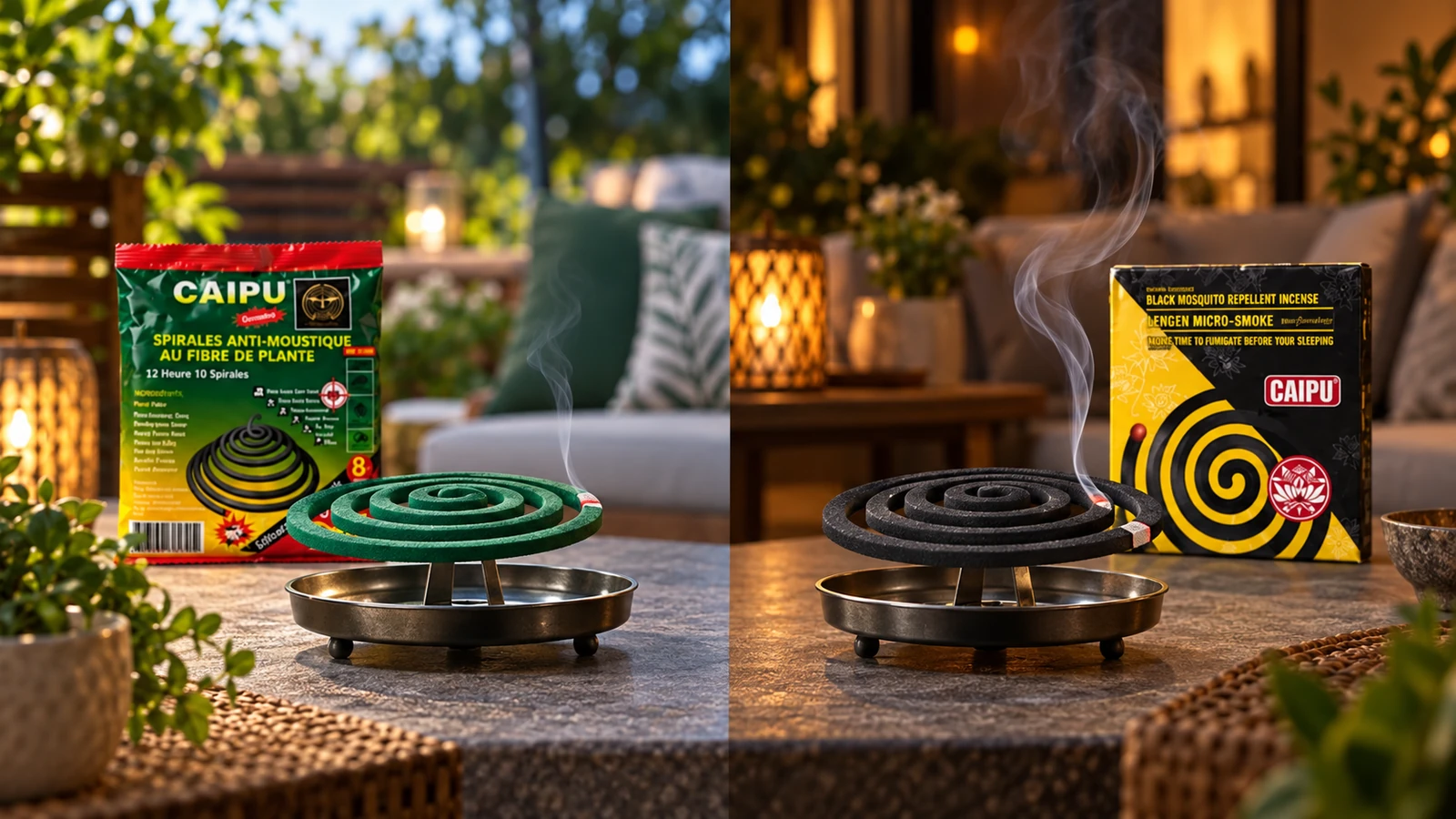
Consumers interpret smoke differently. In some markets visible smoke is associated with familiar performance; in others, households prefer a less noticeable experience. Product positioning should follow tested local preference rather than a general assumption that one type is always superior.
Traditional positioning
A traditional coil may match established habits, familiar fragrance and value expectations. It can be easier to introduce where the category is mature. The buyer should still evaluate smoke comfort, ash stability, breakage and consistency across samples.
Low-smoke positioning
Low-smoke products can support a cleaner or more modern presentation, particularly for indoor households sensitive to visible smoke. Claims must reflect actual testing and local label rules. Avoid vague claims such as 'smoke free' unless the product and evidence genuinely support them.
Test in representative conditions
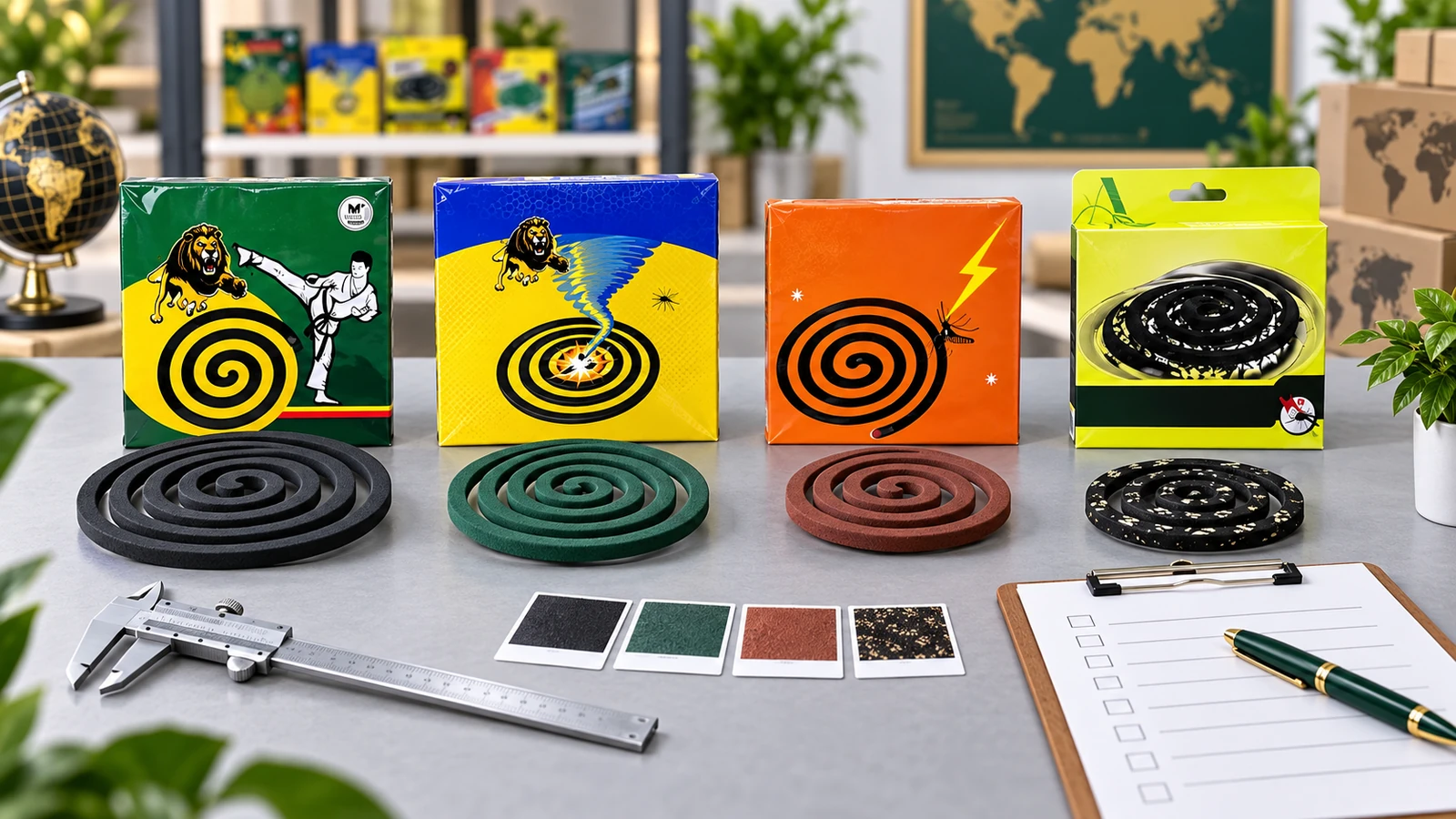
Room ventilation, humidity and user perception influence sample feedback. Compare products in the same environment and record lighting, burn continuity, visible smoke, fragrance and ash. Use several samples rather than one coil.
- Target use environment
- Consumer smoke preference
- Desired retail tier
- Fragrance strength
- Evidence required for pack claims
Build the brief
Tell the manufacturer which market reference you are following and which characteristics matter most. A controlled brief helps align formula, fragrance, packaging and price instead of treating smoke level as an isolated request.
Product registration, permitted ingredients, labeling and import requirements vary by market. Confirm destination-country requirements with the relevant authority or qualified adviser before ordering.