 BI NIU

What mosquito coil OEM includes
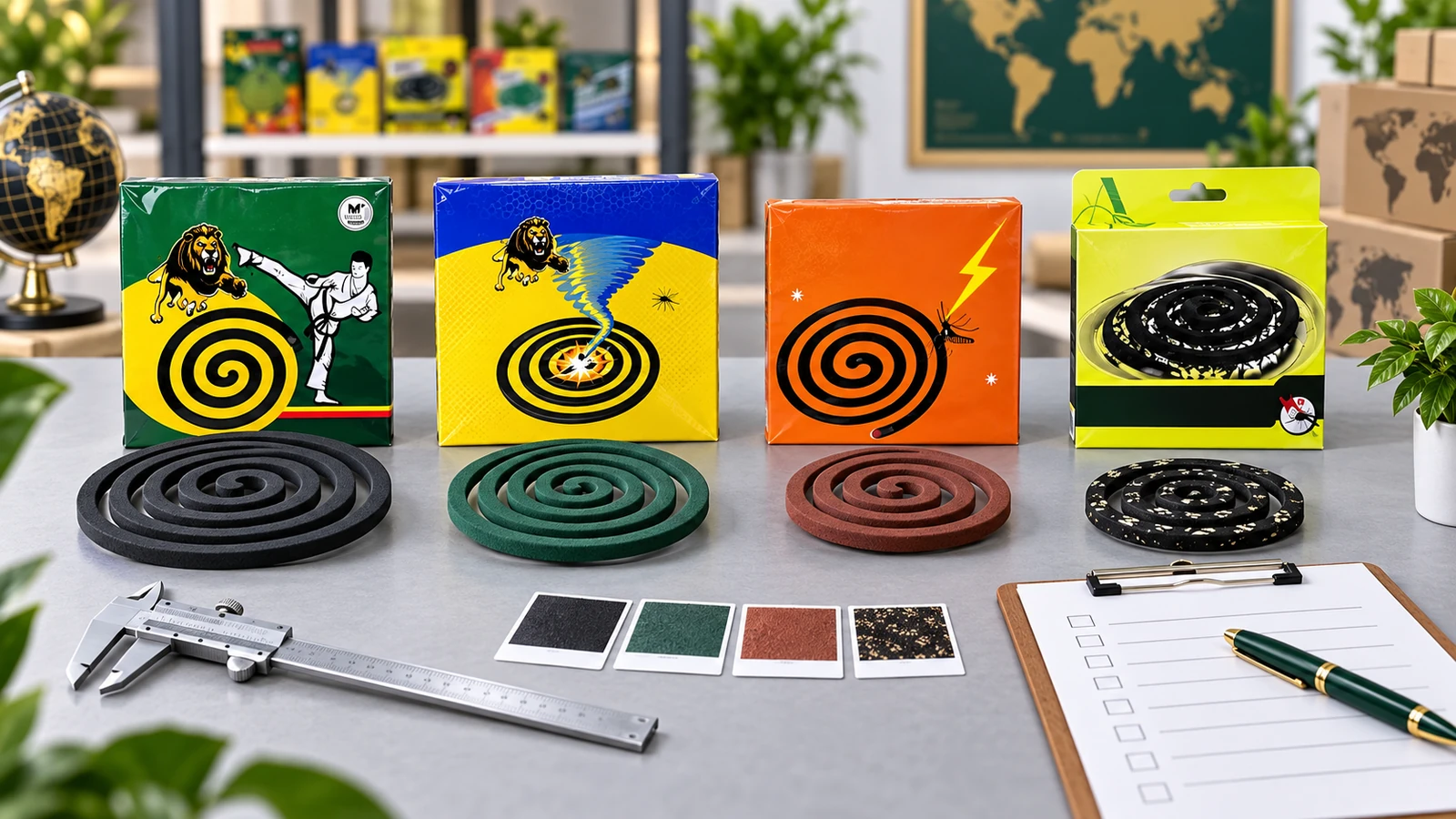
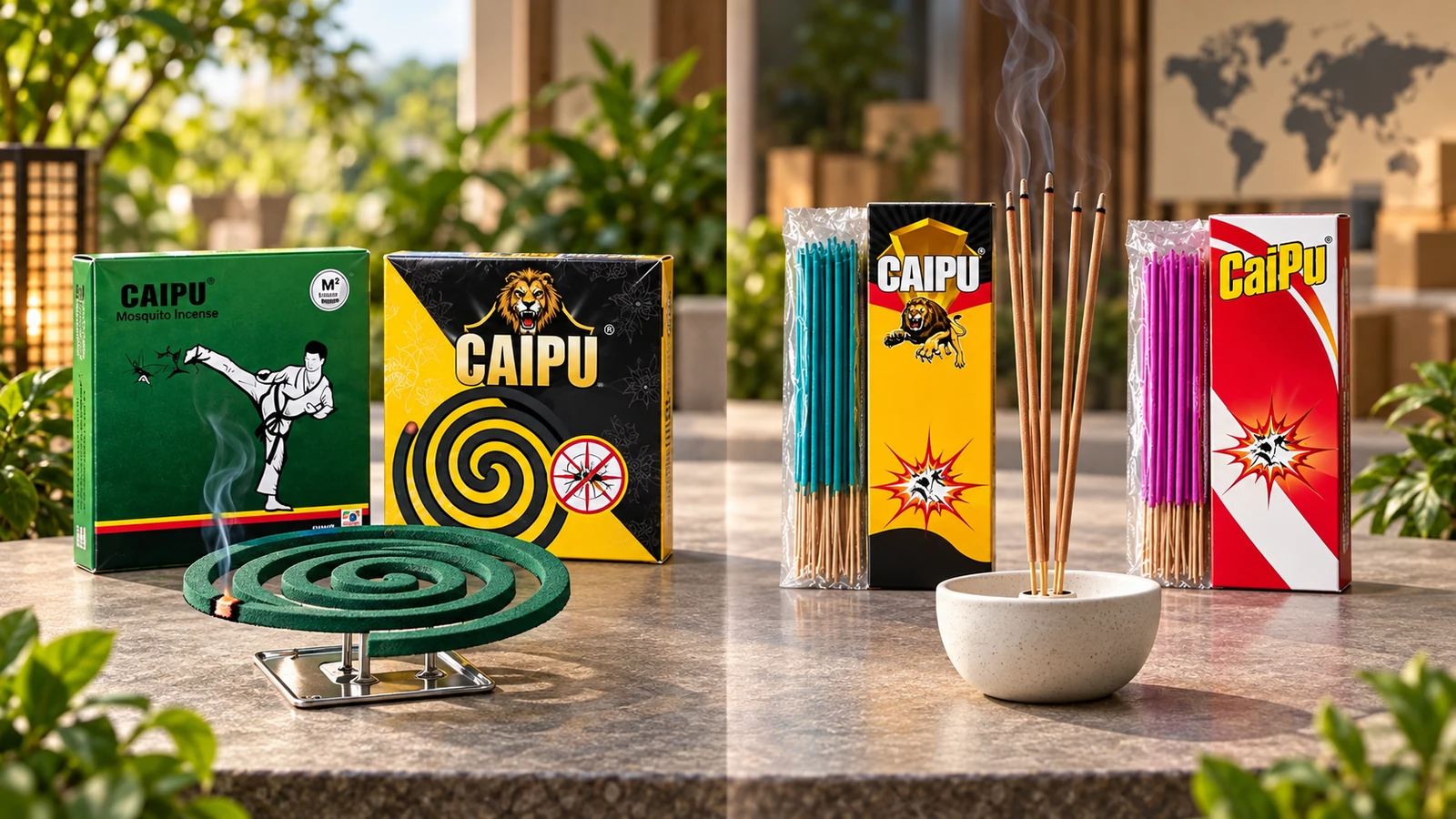
OEM mosquito coil projects normally combine an agreed product specification with buyer-owned branding. The scope may include coil format, fragrance, target burn time, inner wrapping, printed box, master carton and supporting accessories. Some projects begin from an existing reference product; others begin with a target market and price position.
A clear scope matters because product and packaging decisions are connected. Increasing the number of coils, changing the box structure or adding premium finishes can affect carton size, production planning and total landed cost.
Step 1: define the commercial position
Before discussing artwork, decide whether the brand will compete as an economy, mainstream or premium offer. Share the target retail price, sales channel and expected distributor margin when possible. This helps the manufacturer propose a realistic pack configuration instead of quoting a product that cannot work commercially.
Step 2: confirm product specifications
Typical decisions include coil diameter, color, fragrance, active ingredient, burn-time target and pieces per retail box. All chemical and performance requirements must be checked against the rules of the destination market. A supplier can provide manufacturing information, but the importer remains responsible for confirming local registration and label obligations.
- Target country and permitted ingredient
- Reference product or target specification
- Required test or documentation
- Expected annual and first-order volume
Step 3: develop packaging
Provide editable logo files, brand colors, barcode information, languages and required warnings. Ask for a dieline before final design. The artwork should be reviewed for both marketing quality and technical accuracy, including product count, net content, company information and safe-use instructions.
Printed color proofs or packaging samples can reduce misunderstandings. Screen colors are not a reliable substitute for a physical print reference when color accuracy is important.
Step 4: approve samples and production details
Approve the product sample, packaging layout and carton marks in writing. The final confirmation should identify what will be checked during production and before shipment. If changes are requested after materials have been printed, cost and lead time may change.
Step 5: prepare for repeat orders
Keep the approved artwork version, specification sheet, carton dimensions and loading data together. A controlled reference file makes repeat orders faster and reduces the risk of unnoticed changes. BI NIU coordinates product, packaging and shipment details around this approval process.
Product registration, permitted ingredients, labeling and import requirements vary by market. Confirm destination-country requirements with the relevant authority or qualified adviser before ordering.