 BI NIU

1. Inquiry and product matching
The process begins with the target market, product category, packaging plan and estimated quantity. We use this information to identify suitable existing formats or define which points require customization.
2. Samples and quotation
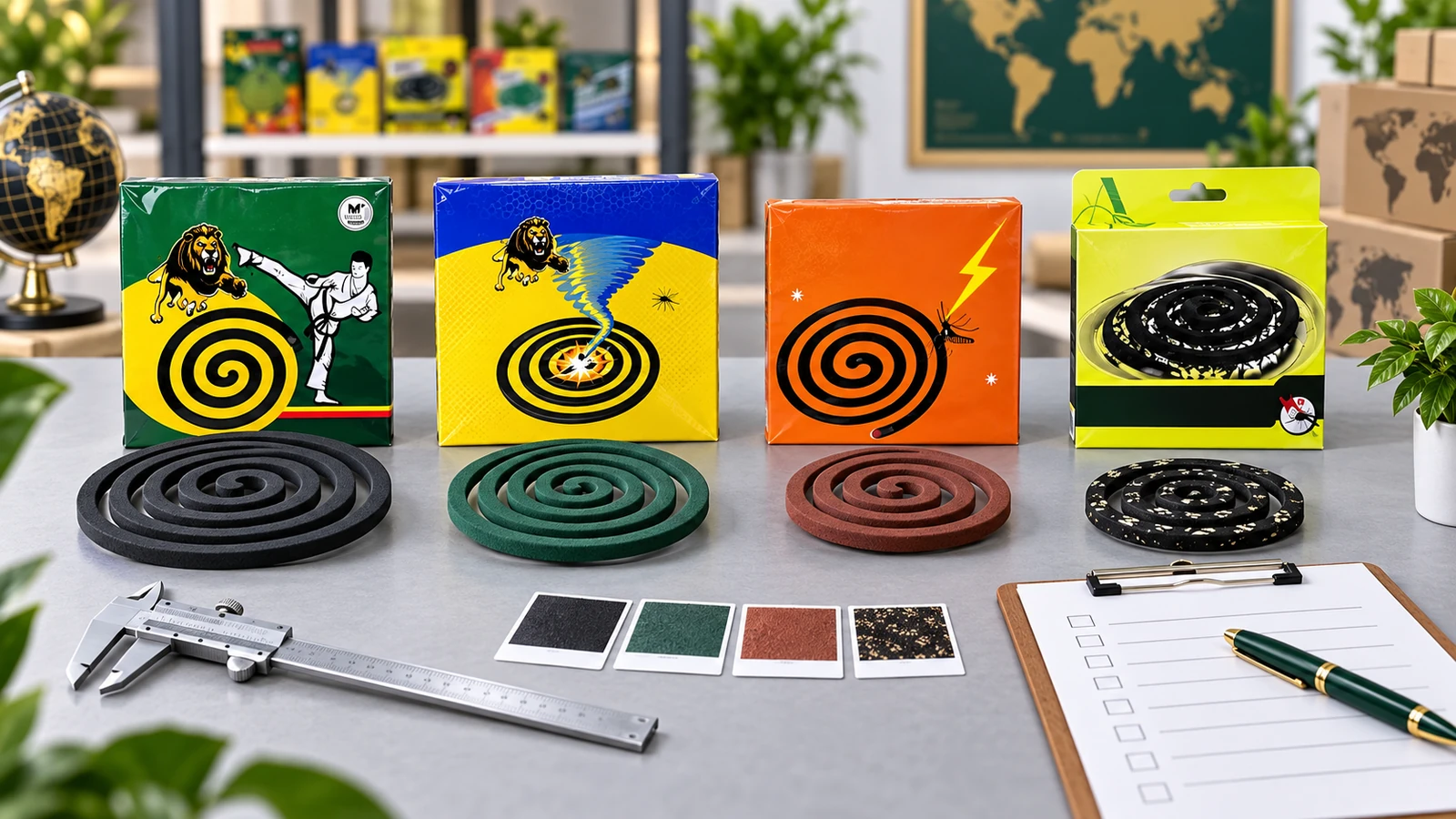
Representative samples help the buyer evaluate product and presentation. The quotation should identify the assumed specification, pack configuration, quantity, trade term and lead time so later comparisons remain clear.
3. Specification and artwork approval
Before production, both sides confirm the product requirements, packaging content, carton marks and approval references. Private-label artwork is checked against the selected dieline and final files are controlled by version.
4. Production coordination
Materials and production are scheduled around the confirmed order. In-process checks focus on the relevant product and packing points. Any proposed change should be communicated before it affects the approved result.
5. Finished-order review
Finished goods can be reviewed through factory records, buyer checks or independent inspection as agreed. Quantity, retail packs, cartons and shipment details are reconciled before release.
- Product identification
- Packaging version
- Carton quantity and marks
- Inspection arrangement
- Document instructions
6. Loading and shipping follow-up
The loading plan connects carton volume, SKU allocation and container capacity. Loading photos and seal details may be recorded. Commercial documents and bill-of-lading instructions are coordinated with the buyer or forwarder.
7. Repeat-order learning
After shipment, actual loading data, timing and feedback become the reference for replenishment. Our aim is to make each confirmed order easier to repeat, not to restart the entire decision process every time.
Product registration, permitted ingredients, labeling and import requirements vary by market. Confirm destination-country requirements with the relevant authority or qualified adviser before ordering.