 BI NIU
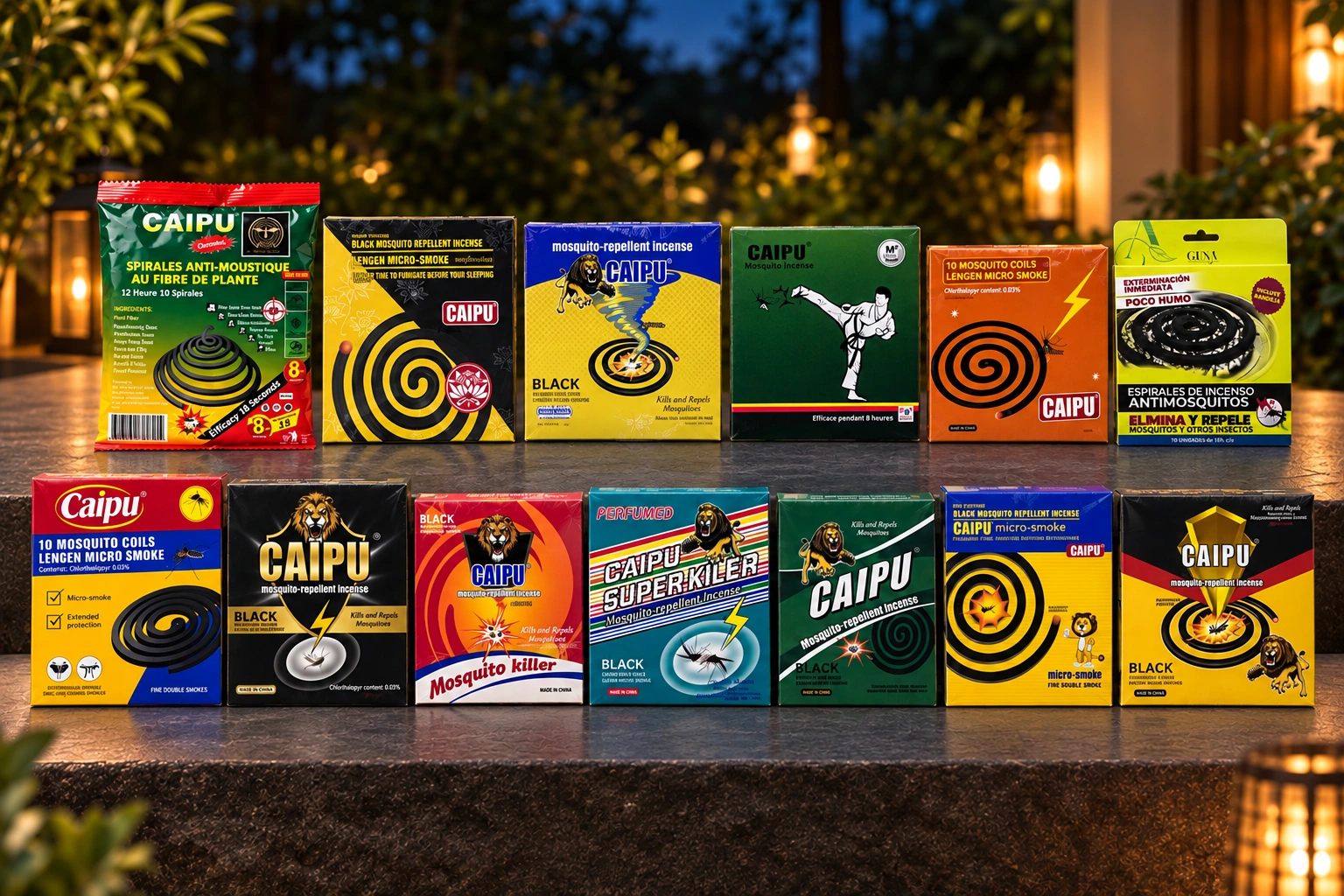
MOQ is not one arbitrary number
A private-label order combines product manufacturing and branded packaging. Each component can have a different economic minimum. The practical MOQ is often determined by the printed material or production setup that is hardest to divide efficiently.
Printing and packaging
Custom boxes, labels, cans and cartons require plates, color setup and material purchasing. A unique artwork for every fragrance can multiply those minimums. Using a shared base design with controlled stickers or color changes may reduce complexity when technically appropriate.
Formula and production setup
Custom formulas, colors or fragrances may require separate material preparation, cleaning, sampling and quality checks. Very small batches can create high setup cost or inconsistent production efficiency.
Number of SKUs
An order of ten designs is not always equivalent to the same quantity of one design. Ask whether the MOQ applies per product, per size, per fragrance or per artwork. Consolidating initial demand into fewer SKUs can improve price and execution.
Ways to plan a smaller launch
Use standard product formats, limit custom finishes, select fewer core SKUs and forecast repeat orders. A buyer can also phase the range rather than launching every category at once.
- Prioritize one anchor product
- Share packaging across related SKUs
- Use standard structures
- Avoid untested fragrance proliferation
- Plan repeat-order quantities
Ask for the cost logic
A useful supplier explanation separates product MOQ, printed-material MOQ and commercial order value. BI NIU can review the proposed range and identify which decisions create the biggest minimums before artwork work begins.
Product registration, permitted ingredients, labeling and import requirements vary by market. Confirm destination-country requirements with the relevant authority or qualified adviser before ordering.